
How the Hypervigilance of PTSD Causes Structural Changes in the Brain

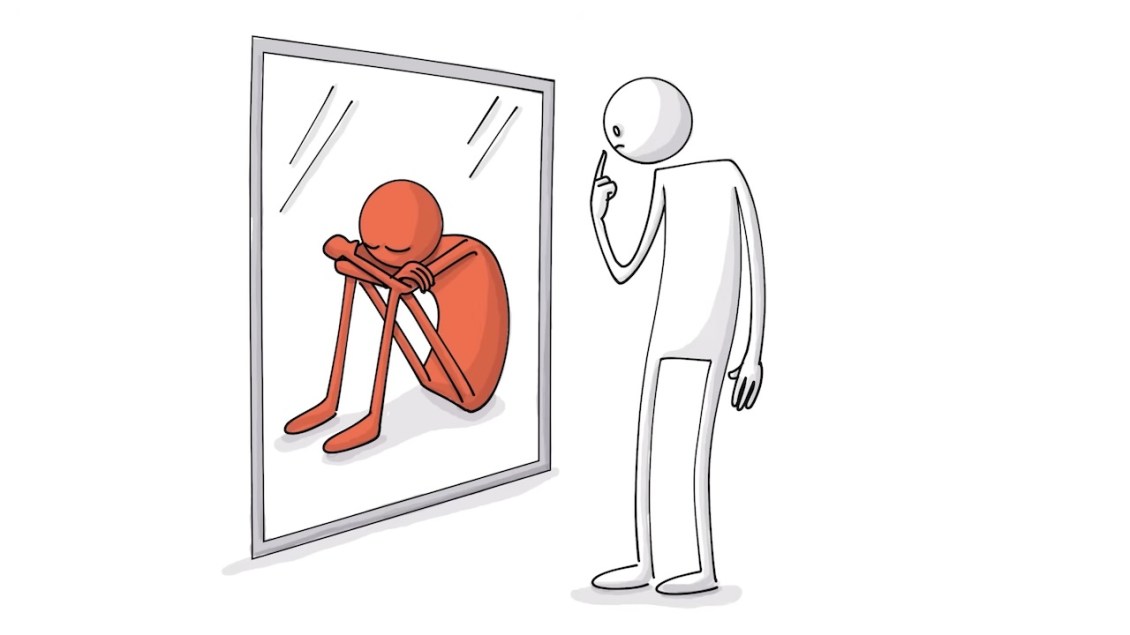
The educational channel Sprouts quite succinctly explained how living through traumatic events can result in Post-Traumatic Stress Disorder (PTSD), an acquired psychological condition that makes daily life incredibly difficult to navigate.
Post-traumatic stress disorder (PTSD) is a condition that can develop after exposure to severe trauma and chronic stress.
The narrator also discusses how this type of stress and hypervigilance can cause structural changes in the human brain, leading to a constant state of fight, flight, or freeze.
When something feels overwhelmingly threatening, it can induce lasting structural changes in the brain, causing your mind to be continuously alert. At its core, PTSD is a response aimed at keeping you safe, but it does so at a terribly high cost. Symptoms of PTSD include intrusive memories, insomnia, nightmares, and anxiety. As a result, you may experience hypervigilance, a constant state of fear and tension—continually scanning your environment for potential threats.
How Isolation Leads to PTSD
How Dogs Can Help With PTSD